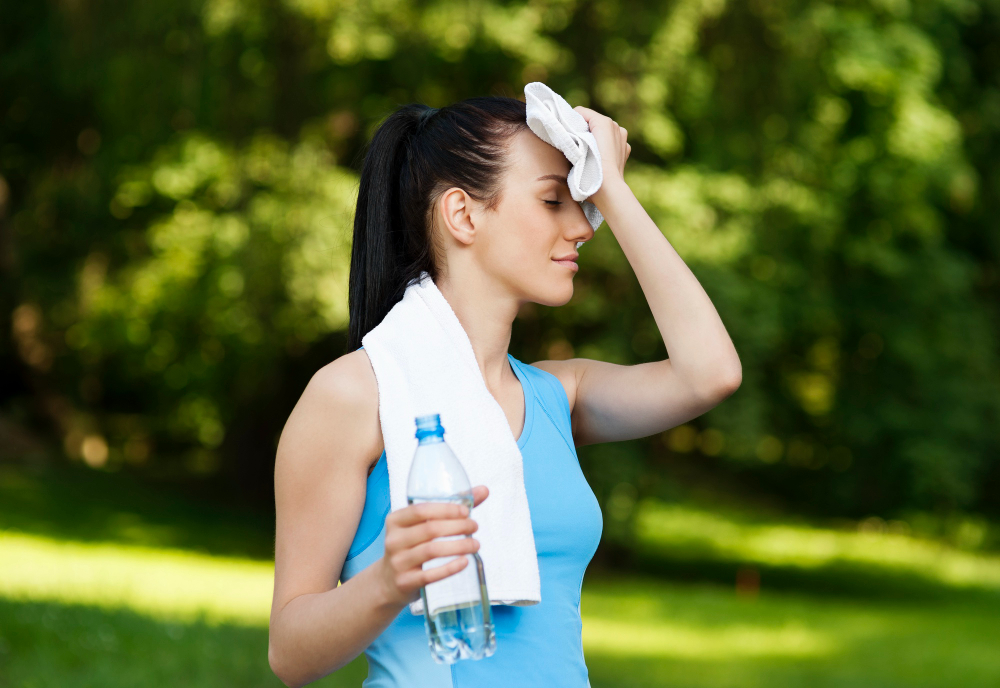
What is Dehydration from Changing Weather?
Dehydration from changing weather happens when your body loses more fluids than it takes in, especially during shifts in temperature or humidity. For example, hot summers or cold winters can both increase your risk. Because your body needs water to work well, losing too much can cause health problems. Many people do not realize that both hot and cold weather can lead to dehydration. Therefore, it is important to know how weather changes affect your hydration needs.
Common Symptoms and Warning Signs
Recognizing weather-related dehydration symptoms early can help you stay healthy. Some signs are easy to spot, while others may be subtle. For instance, you might feel thirsty, but other symptoms can appear before you notice thirst.
In children, watch for crying without tears or fewer wet diapers. In older adults, confusion can be a key warning sign. If you notice these symptoms, act quickly to prevent serious problems.
Causes and Risk Factors
Many things can cause dehydration from changing weather. For example, hot weather makes you sweat more, while cold air can dry out your skin and lungs. In addition, some people are at higher risk than others.
Because your body may not signal thirst right away, you might not notice dehydration until it becomes severe.
How Changing Weather Increases Dehydration Risk
Weather changes can trick your body. For example, in hot weather, you sweat more to cool down, which leads to fluid loss. However, in cold weather, you may not feel thirsty, but your body still loses water through breathing and dry skin. In dry climates, sweat evaporates quickly, making it harder to notice fluid loss. On the other hand, humid weather can make you sweat more, but sweat does not dry, so you feel sticky. Because of these factors, it is easy to become dehydrated during seasonal changes.
Diagnosis and When to Seek Help
Doctors diagnose dehydration by checking your symptoms, medical history, and sometimes blood or urine tests. If you have signs like extreme thirst, confusion, rapid heartbeat, or very little urine, seek medical help right away. Children and older adults need special attention, as they can get sick quickly. If you cannot keep fluids down or feel very weak, call your doctor. Early treatment can prevent serious health problems.
Prevention Tips for All Ages
Preventing dehydration from changing weather is possible with simple steps. For example, drink water regularly, even if you do not feel thirsty. Here are some tips for different age groups:
In hot or humid climates, increase your fluid intake. In cold or dry weather, remember that you still need water, even if you do not sweat.
Effective Treatment and Home Care
If you notice mild dehydration, act quickly. First, drink water or oral rehydration solutions. For children, offer small sips often. Avoid sugary or caffeinated drinks, as they can make dehydration worse. Rest in a cool or shaded area if you feel overheated. If symptoms do not improve, or if you feel very weak, seek medical care. According to the CDC, early treatment is key to preventing complications.
Lifestyle Guidance for Staying Hydrated
Staying hydrated during seasonal changes is important for everyone. For instance, make drinking water a daily habit. Here are some hydration tips for seasonal changes:
Because everyone’s needs are different, listen to your body and adjust as needed. If you live in a humid or dry area, pay extra attention to your fluid intake.
Consult a healthcare professional for personalized advice on preventing and managing dehydration from changing weather.